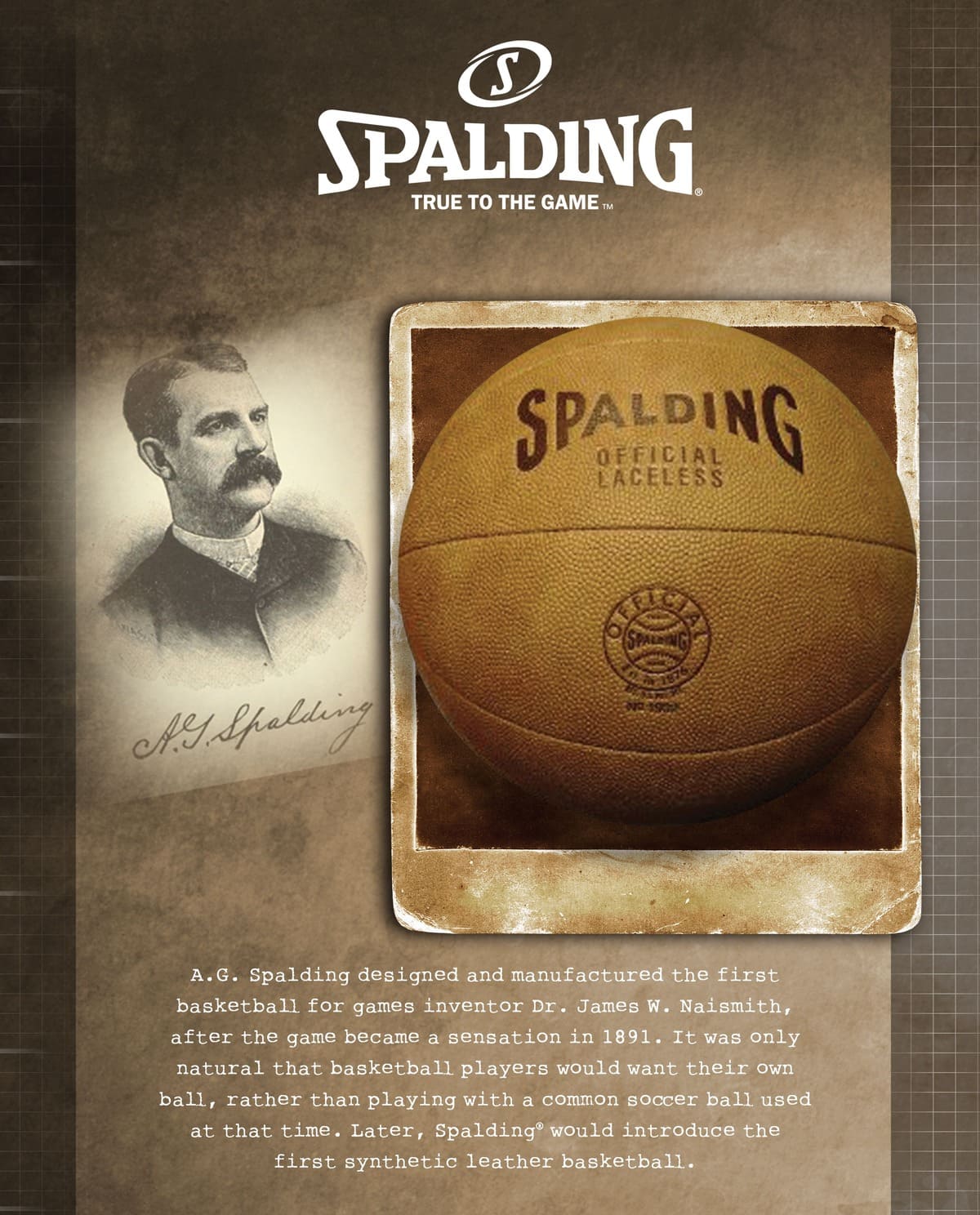
Spalding is a cornerstone in the history of sports equipment manufacturing, with roots stretching back to 1876. Founded by Albert Spalding in Chicago, this iconic American company initially made its mark in the baseball industry. Albert Spalding, a pitcher and manager for the Chicago White Stockings, recognized the need for standardized equipment and began producing high-quality baseballs and bats. This early dedication to quality and consistency quickly established Spalding as a trusted name in sports. Over the decades, the company expanded its product line to include equipment for a variety of sports, including basketball, football, soccer, and more.
Throughout its history, Spalding has been at the forefront of innovation in sports equipment. In 1892, the company acquired Wright & Ditson and A. J. Reach, consolidating its position in the market. Spalding was also a pioneer in the manufacturing of sporting goods, producing the first basketball in 1894 and becoming the official supplier of baseballs for the National League by 1880. The company’s commitment to quality and innovation didn’t stop there. By the early 20th century, Spalding was producing a diverse range of sports-related items, from dumbbells and punching bags to fencing equipment and rowing machines, solidifying its reputation as a comprehensive sports equipment manufacturer.
Spalding’s impact extends beyond traditional sports. During World War II, the company played a crucial role in manufacturing parts for military equipment, including the Browning Automatic Rifles and proximity fuses. In the post-war era, Spalding continued to innovate, introducing products like the high-bounce “Spaldeen” rubber ball in 1949 and aftermarket automotive wheels in the 1980s. In the realm of basketball, Spalding was the official game ball supplier to the NBA for nearly four decades, demonstrating its enduring influence and commitment to excellence in sports equipment manufacturing. Today, Spalding remains a symbol of quality and tradition, continuing to serve athletes around the world with top-notch sports gear.
Iconic 70s Spalding Running Advert starring Terry Bradshaw
How to tell if Spalding is vintage from the logo
Spalding has been a significant name in the sports equipment industry, known for its high-quality products and iconic logo. Over the years, the Spalding logo has undergone several transformations, reflecting the brand’s evolution and adapting to contemporary design trends. Here’s a guide to identifying vintage Spalding logos based on the eras provided.
1980s to 1997 Spalding logo
- This era’s logo features a traditional design with a circular emblem.
- The logo includes the text “A.G. Spalding & Bros.” around the circumference.
- The word “SPALDING” is prominently displayed in the center, with the word “TRADE MARK” below it.
- The overall design is quite intricate, reflecting the classic style of the time.

1980s to 1997 Spalding logo
1997 to 2005 Spalding logo
- This period introduced a more modern and simplified logo design.
- The text “SPALDING” is prominently displayed with a unique font style.
- An oval with an “S” inside it appears above the word “SPALDING.
- This logo signifies a move towards a more contemporary and streamlined brand image.

1997 to 2005 Spalding logo
2005 to now Spalding logo
- The current logo retains the modern font introduced in the previous era.
- The word “SPALDING” is featured in a bold, distinctive font.
- An additional emblem, a stylized star or diamond shape, is placed below the text.
- This logo iteration represents the brand’s commitment to maintaining a strong, recognizable identity in the sports equipment market.
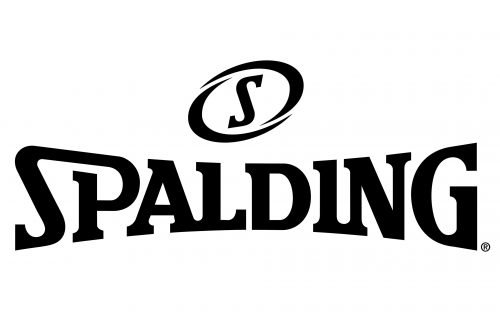
2005 to now Spalding logo
How to tell if Spalding is vintage from the tags
Spalding, a renowned sportswear brand, has seen significant evolution in its branding and tag design over the decades. Identifying vintage Spalding garments can be done by examining the tags, which reflect changes in design and manufacturing locations over the years. Here’s a guide to identifying Spalding clothing from different eras based on the tags.
Need help with vintage tags or labels? Submit a picture on our vintage tag identification page, and we’ll take care of it!
1980s vintage Spalding tags
- Bold serif lettering with the Spalding logo prominently displayed.
- Tags often include “Made in USA” indicators.
- Simple color schemes with black, white, or navy blue as the base colors.
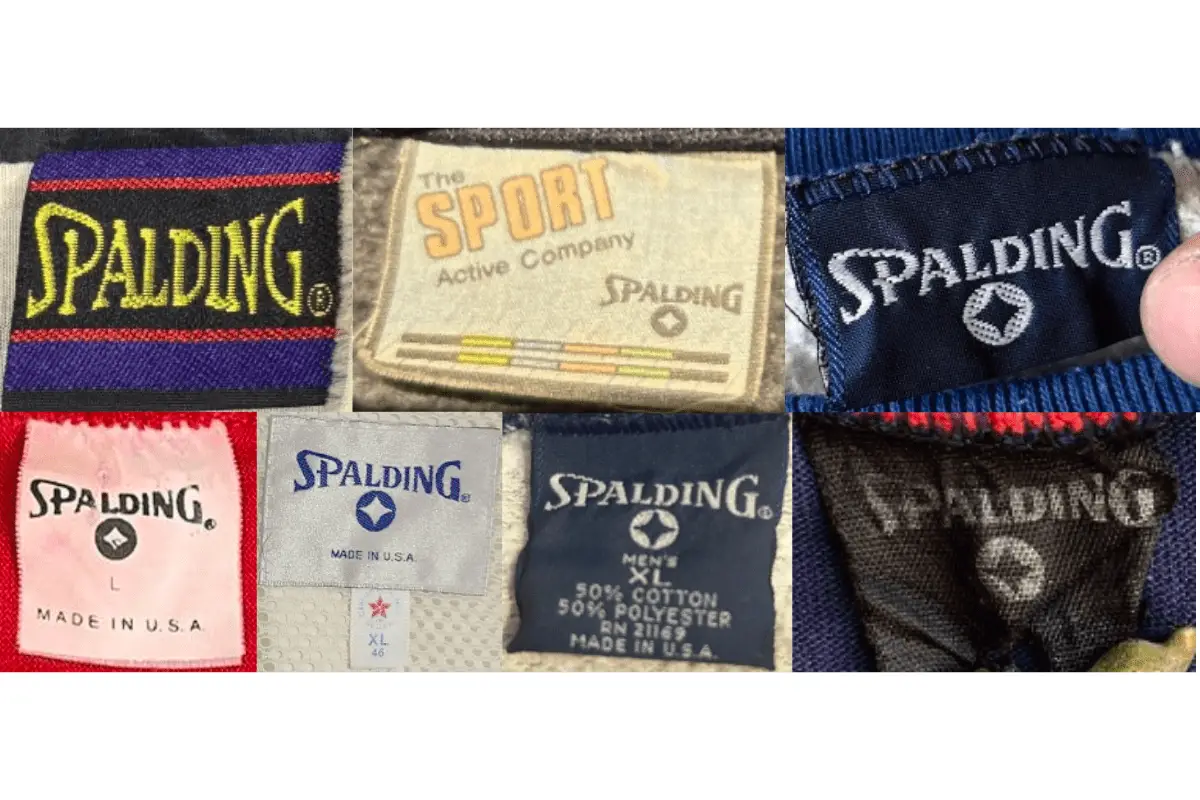
1980s Spalding tags
1990s vintage Spalding tags
- Rectangular tags with a more modern look.
- Introduction of vibrant colors like purple and yellow in the tag design.
- Still prominently features the Spalding logo and often includes size information.
- Some tags might have additional branding like “The Sport Active Company.”
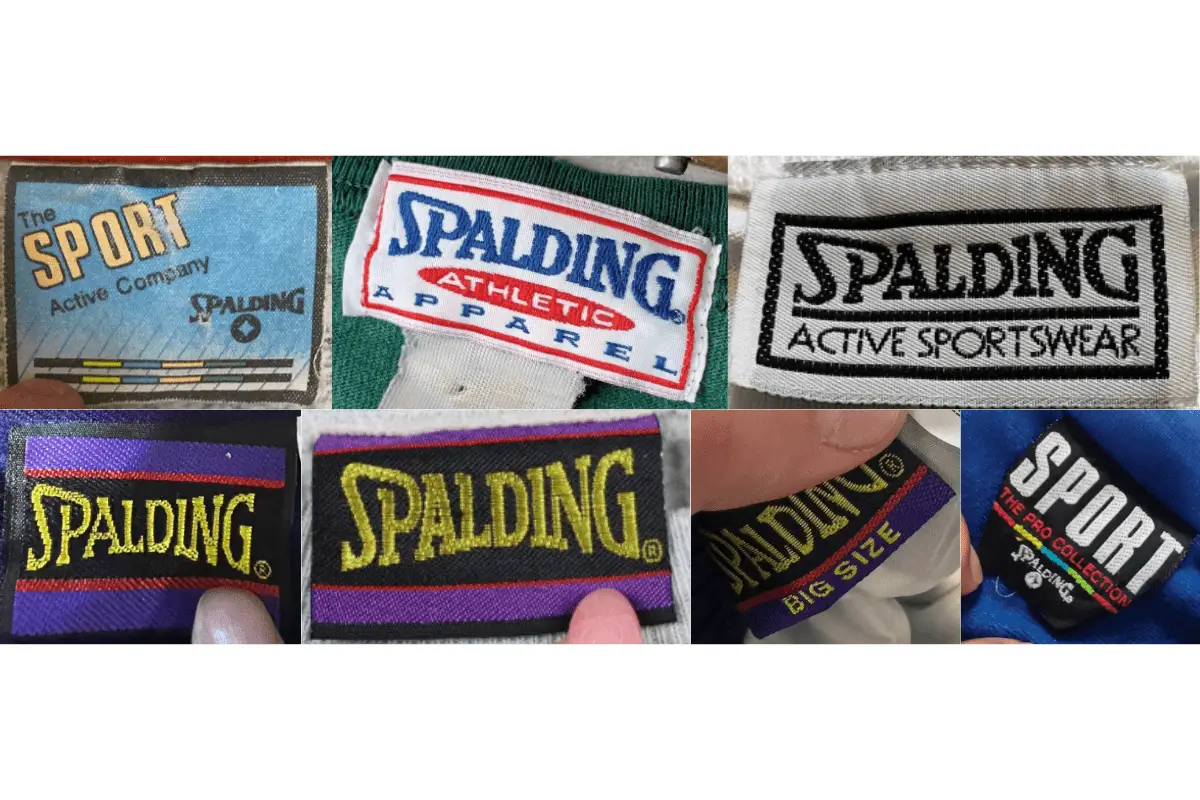
1990s Spalding tags
2000s vintage Spalding tags
- Continued use of bold, modern fonts and vibrant colors.
- Introduction of “Big Size” indicators on some tags.
- Tags often have a more refined and sleek design.
- Some tags include additional slogans like “True to the Game.”
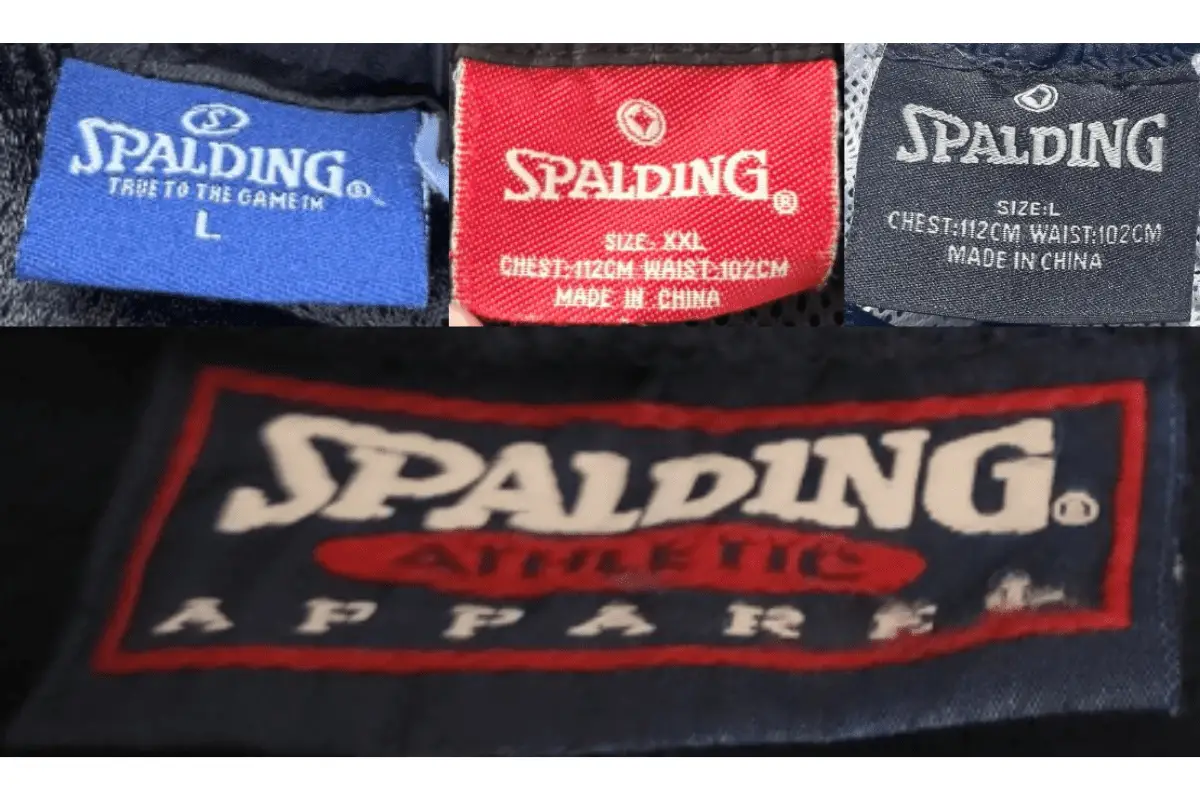
2000s Spalding tags
2010s vintage Spalding tags
- Modern layouts with a variety of color schemes and materials.
- Incorporation of the Spalding logo with additional details like “Ladies’ Essential Tee.
- Tags reflect a broader range of products including athletic and casual wear.
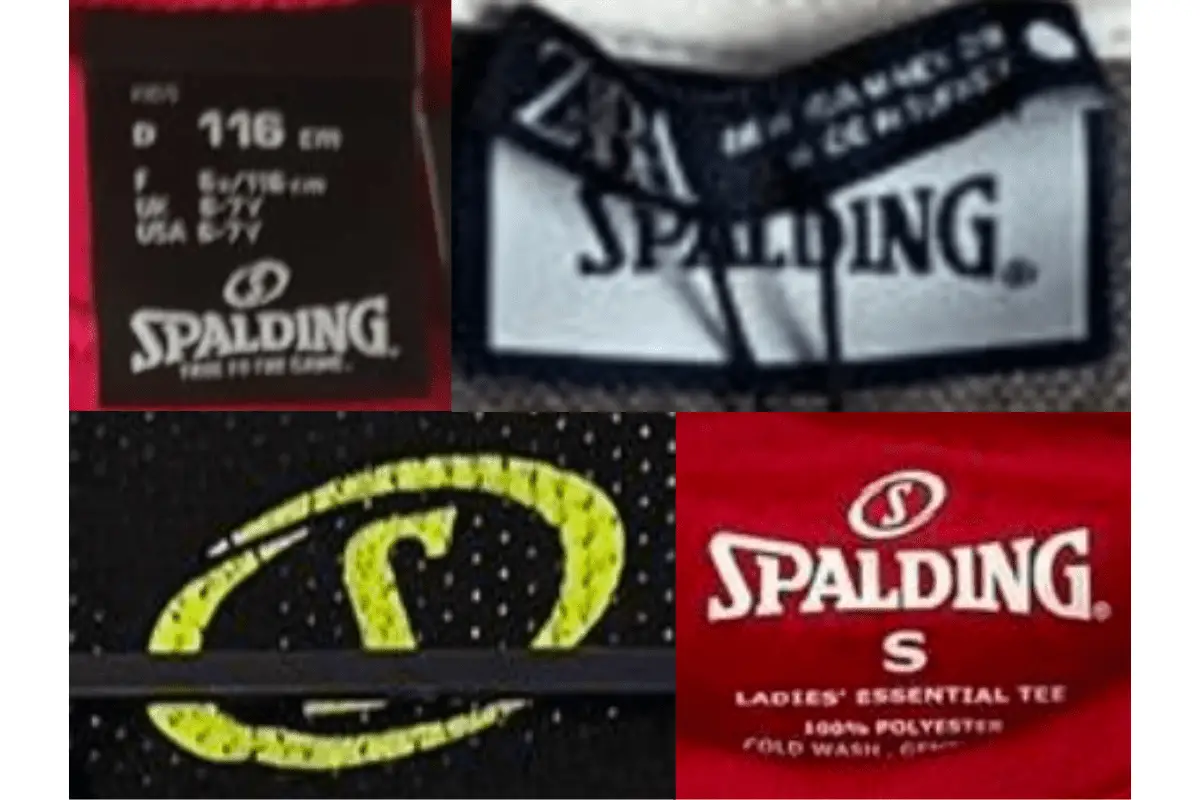
2010s Spalding tags