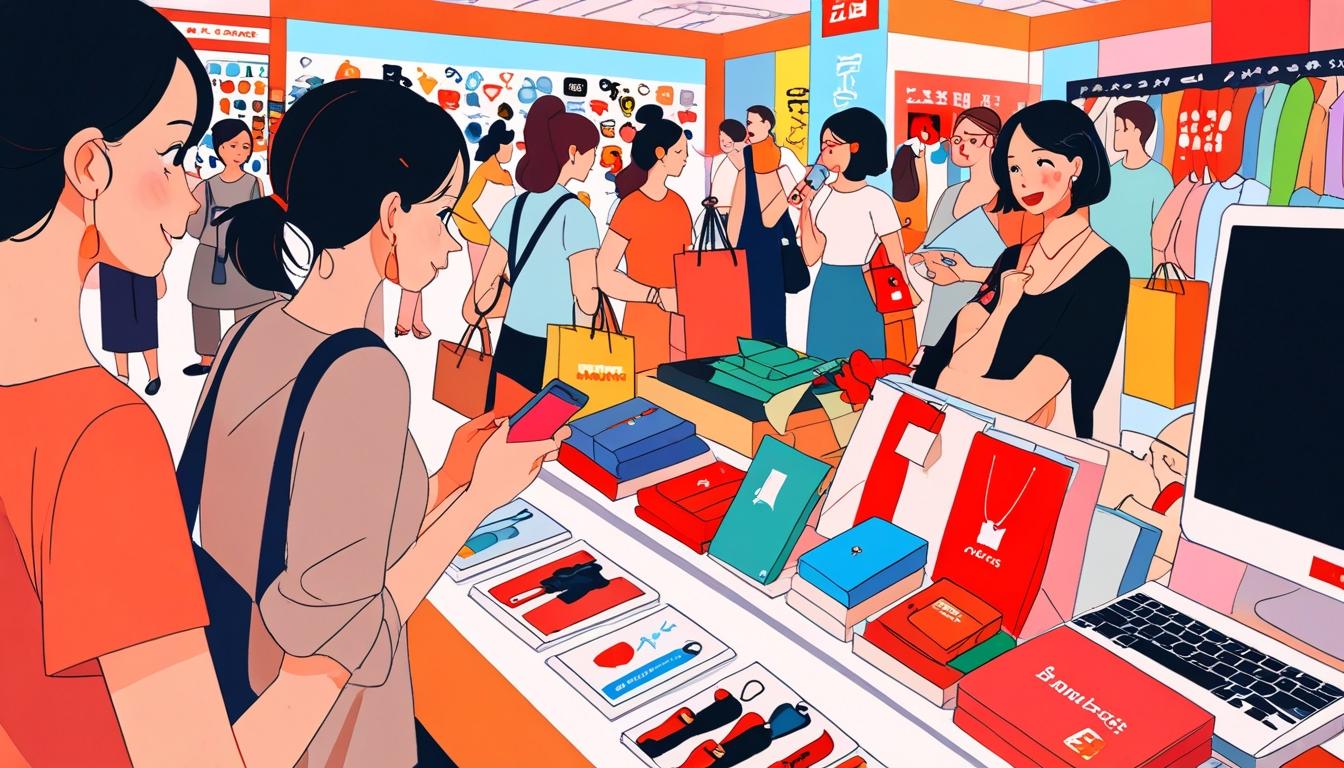
Polish consumers increasingly turn to foreign retailers, with a notable preference for Chinese sellers, marking a significant shift in online shopping habits.
Cross-border e-commerce in Poland has seen a remarkable surge, transforming into one of the most significant catalysts for domestic online shopping growth. Recent analysis indicates that nearly 20% of all online sales in Poland are attributed to cross-border shopping, a trend that is on track to increase further. Notably, it is estimated that over one-third of Polish e-consumers, or approximately 33%, are engaged in purchasing goods from foreign retailers.
A significant finding of this trend is the preference among Polish shoppers for Chinese sellers. Data reveals that purchases from this region account for a striking 52% of all cross-border online transactions made by Polish consumers. In contrast, other foreign platforms, such as those based in Germany and the United Kingdom, account for 15% and 6% of these purchases, respectively.
According to the latest statistics from IPC, an international postal association, Poland ranks among a select few countries in Europe that source a substantial portion of their online shopping from China. Czechs and Hungarians have higher percentages, with 54% and 59% of their cross-border purchases coming from China, respectively. Poland’s figure surpasses that of many other European nations, including France (49%), Germany (51%), and Lithuania (44%), where Chinese goods also represent a significant share of cross-border shopping.
On a global scale, the preference for Chinese products is not unique to Poland alone; consumers in the USA represent 45% of cross-border purchases from China, while Japan and Australia stand at 37% and 41%, respectively. This data suggests that Polish internet users are among those most inclined to purchase from Chinese sellers.
This shift in consumer behavior reflects a broader transformation of the Polish e-commerce landscape, where platforms like AliExpress, Temu, and Shein are increasingly challenging the dominance of traditional domestic e-commerce giants such as Allegro, Amazon, and Empik. The evolving landscape of online shopping continues to shape the preferences and purchasing habits of consumers, marking a significant development in Poland’s digital economy.
Source: Noah Wire Services





Cross-border eCommerce is growing fast, and it really shows how much presentation and user experience matter when people shop from brands they’ve never seen before. I noticed this on my own Magento store — the theme played a huge role in whether international shoppers trusted the site enough to complete a purchase. While trying to improve that first impression, I found this article: https://www.web4business.com.au/magento-store-theme/. It breaks down how the right Magento theme can boost clarity, speed, and brand consistency, which all help build trust with new customers. After applying a few ideas from there, my store started feeling much more polished and welcoming to buyers from different markets.
Cross-border eCommerce is growing fast, and it really shows how much presentation and user experience matter when people shop from brands they’ve never seen before. I noticed this on my own Magento store — the theme played a huge role in whether international shoppers trusted the site enough to complete a purchase. While trying to improve that first impression, I found this article: https://www.web4business.com.au/magento-store-theme/. It breaks down how the right Magento theme can boost clarity, speed, and brand consistency, which all help build trust with new customers. After applying a few ideas from there, my store started feeling much more polished and welcoming to buyers from different markets.